


Every day, a headline comes across the wire that makes Americans do a second take. What do you mean that we are funding illegal immigrants’ lives in one way or another?
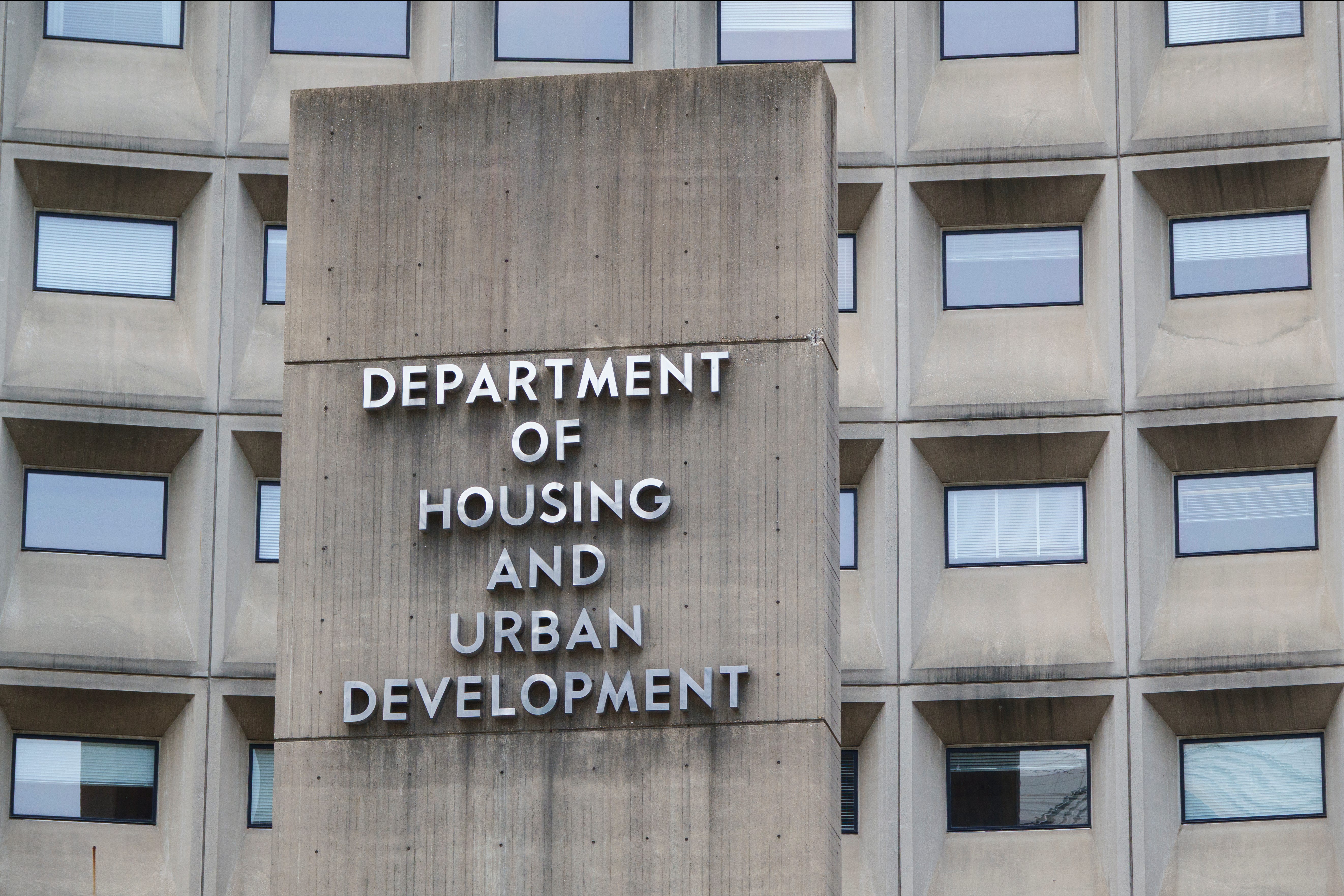
The Department of Housing and Urban Development (HUD) appears to have been providing financial assistance to illegal immigrants through a loophole in Section 214 of the Housing and Community Development Act. The Trump administration officially closed it Thursday.
Section 214 provides taxpayer-funded housing assistance under programs like public housing and Section 8, but is restricted to U.S. citizens and a narrow set of eligible noncitizens. Since the 1980s, U.S. citizens, lawful permanent residents, refugees, asylees, and a few others have been the only ones legally allowed to have access to this fund. Yet for thirty years, regulatory practice (i.e., a loophole the size of Texas) allowed illegal immigrants to live in subsidized housing units if it was alongside at least one eligible resident.
If you’re an American dealing with a high cost of living, this benefits you. Progressives are unhappy despite talking a big game about affordability. Your ability to afford housing is subordinate to their goal of making America a welfare reservoir for up to 8 million foreigners.
— Gabe Guidarini (@GabeGuidarini) November 13, 2026
That policy ended Thursday when HUD published a final rule adding an immigrant verification status for every household member, regardless of age. The rule change eliminates the option to select “elect not to contend” for eligibility status, which previously allowed a household member to avoid documenting their immigration status. “Mixed-status” families, ones with one or more illegal and legal immigrants living in the same home, no longer have indefinite assistance. Instead, noncitizens must submit evidence of their legal status or risk losing their subsidy. The rule also requires that public housing agencies and some owners must notify tenants of the rule, collect evidence of their immigration status, and terminate or adjust assistance when eligibility cannot be determined.