


The GOP’s success in the midterms may be most imperiled not by scandal or intra-party squabbling, but by a flesh-eating screwworm parasite.
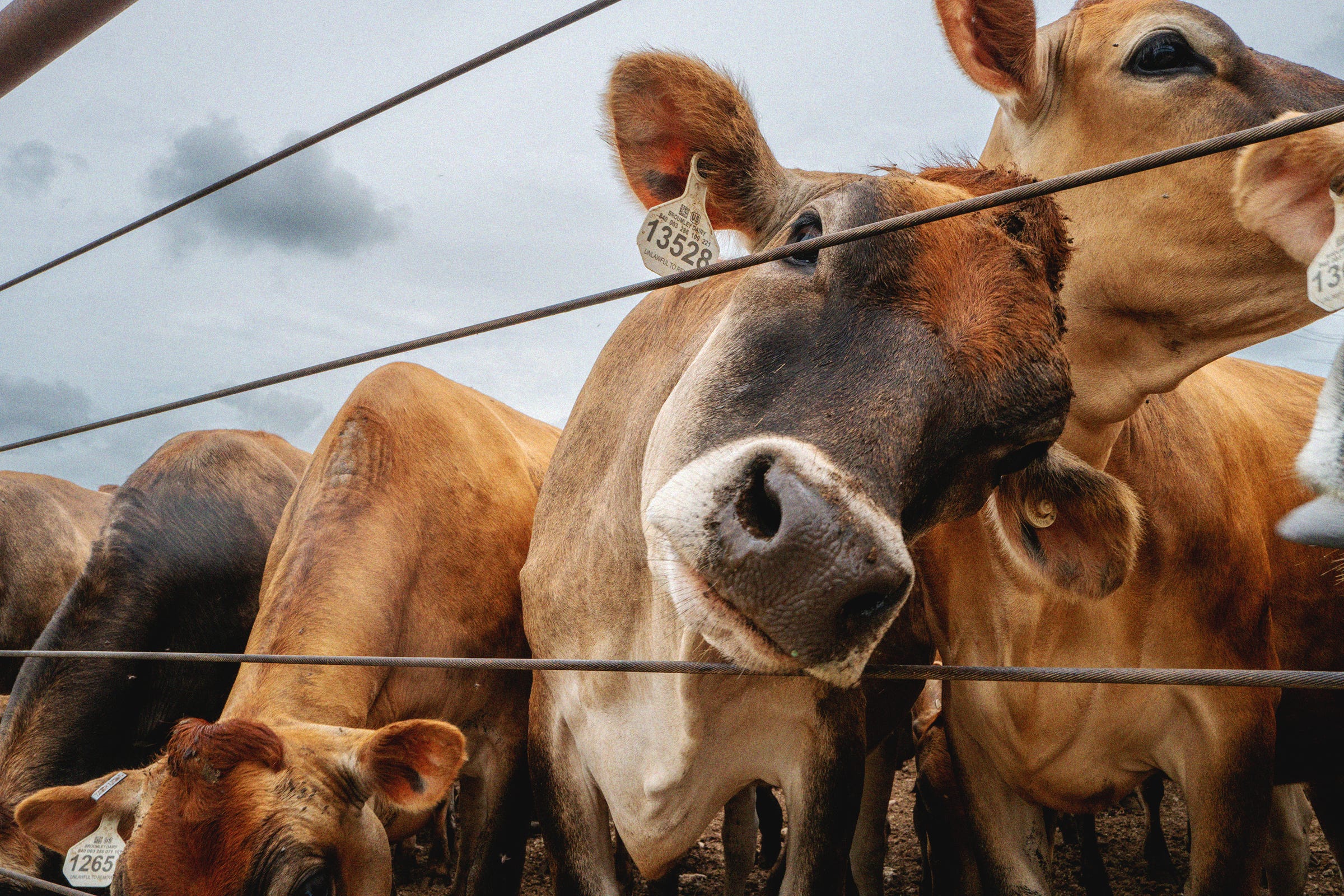
The U.S. Department of Agriculture has confirmed four cases of New World screwworm in Texas, according to Reuters. At least two calves have been infected. The government is reportedly taking aggressive action to curtail the spread, but a screwworm outbreak could send beef prices skyrocketing — obstructing Republicans’ efforts to bring grocery bills down. (RELATED: Flesh-Eating New World Screwworm Found 25 Miles From U.S. Border, USDA Says)
What is Screwworm?
New World screwworm is a fly that lays its eggs in open wounds and bodily cavities. When those eggs hatch, flesh-eating maggots emerge, “screwing” further into the wound to feed on living tissue.
Thankfully, screwworm infections in human beings are rare. Unfortunately, screwworms are fond of burrowing into livestock. Cattle and bison accounted for about 86% of screwworm cases between January 2024 and May 16, according to the Panama-United States Commission for the Eradication and Prevention of Screwworm (COPEG).

Eradication and Resurgence
The tale of screwworm eradication is one of the great 20th century scientific endeavors. USDA researchers began studying screwworms as early as the 1920s. Scientists engineered the sterile insect technique, in which large numbers of lab-reared sterile male flies are released into the natural screwworm population to mate with females. Female screwworms mate only once, and their offspring with sterile males are not viable.
The U.S. was declared free of screwworms in 1966, according to the USDA.
The United States and Mexico collaborated to establish a barrier zone between the nations, releasing sterilized male flies in border areas. And there was a natural barrier preventing screwworm migration north: The Daríen Gap. The Daríen Gap is a 60-or-so-mile stretch of rainforest between Colombia and Panama. There is no official road spanning the gap. It was once relatively untrafficked.
This is no longer the case.