


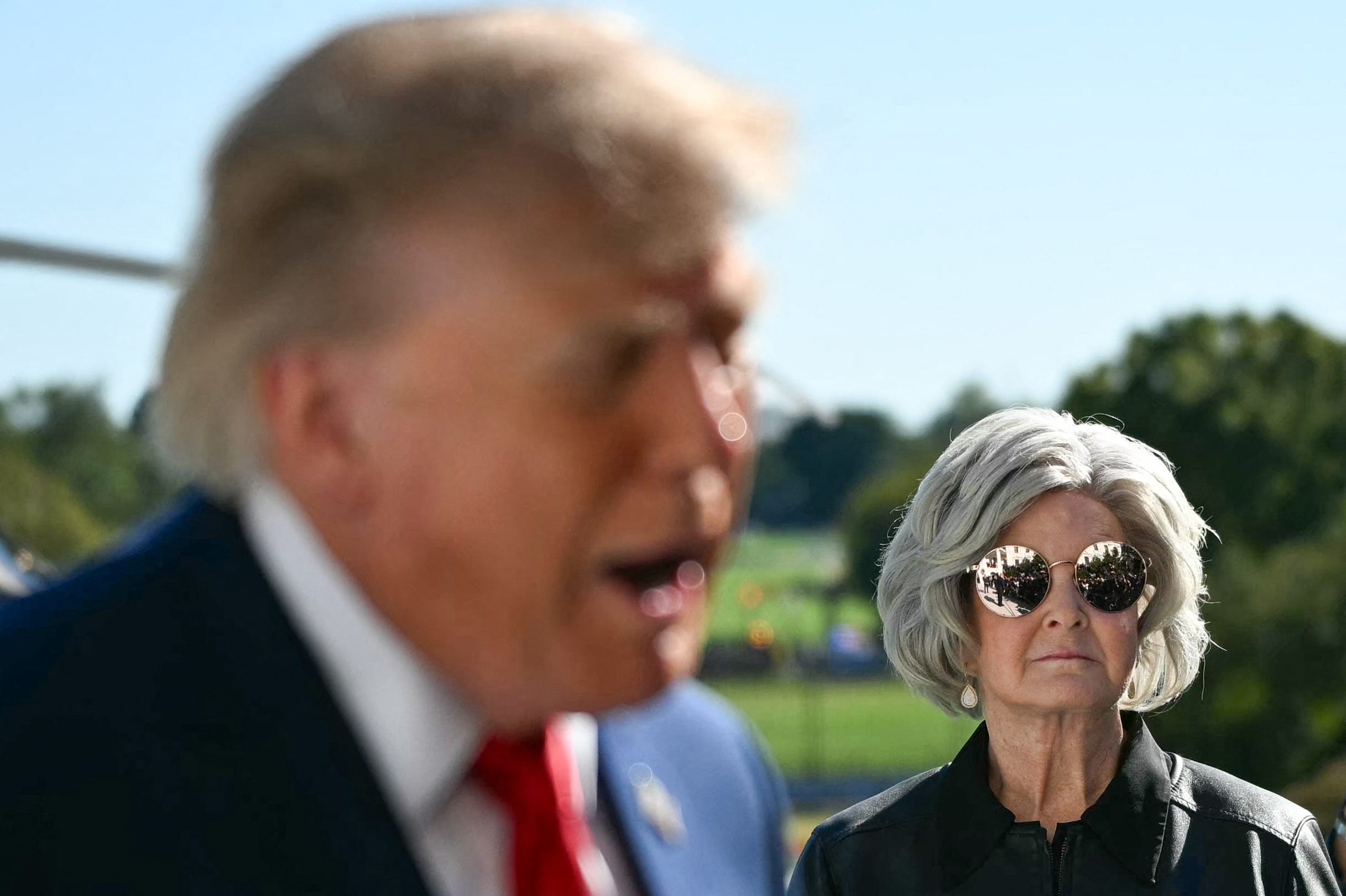
Susie Wiles departed the White House earlier in November after the Republican Party suffered devastating losses in the 2026 midterms. Her ghost, however, lingers on, continuing to haunt the administration over an issue that has divided the GOP and sparked outrage among the Make America Healthy Again movement and Americans alarmed by the powerful influence of lobbyists and special interest groups.
Wiles’ exit ignited a fierce debate on whether the Trump White House had diluted or halted health-centered policies to protect political fundraising and appease corporate donors and special interest groups. (RELATED: Ex-MAHA Advisor Demands Susie Wiles, Lobbyists Preserve Communications After Corruption Allegations)
Calley Means, who previously served as a senior adviser to Department of Health and Human Services (HHS) Sec. Robert F. Kennedy Jr., alleged after her departure that Wiles, along with other administration officials, caved to pressure from key industries, including pharmaceuticals, tobacco and vaping, sugar and pesticides.
According to Means, Wiles’ team opposed new rules and regulations on ultra-processed foods, kratom (frequently referred to as “gas station heroin”) and fruit-flavored vapes. He also alleged that Wiles’ personal connections to the hemp industry, via her son-in-law, influenced federal hemp policy and led to a temporary stall on a ban that would have crushed his businesses.
“It is known by everyone and widely discussed among senior administration staff that Susie put her finger on the hemp policy scale because of her family,” Means told Politico earlier in November. “It is an insult to our intelligence and reflection of Susie’s view of voters that she previously said she doesn’t speak to her family about their business.” (RELATED: Susie Wiles’s Son-In-Law Scrubs LinkedIn Posts Bragging About Securing Lucrative Farm Bill Carve-Outs)
Yet the saga is far from over.