


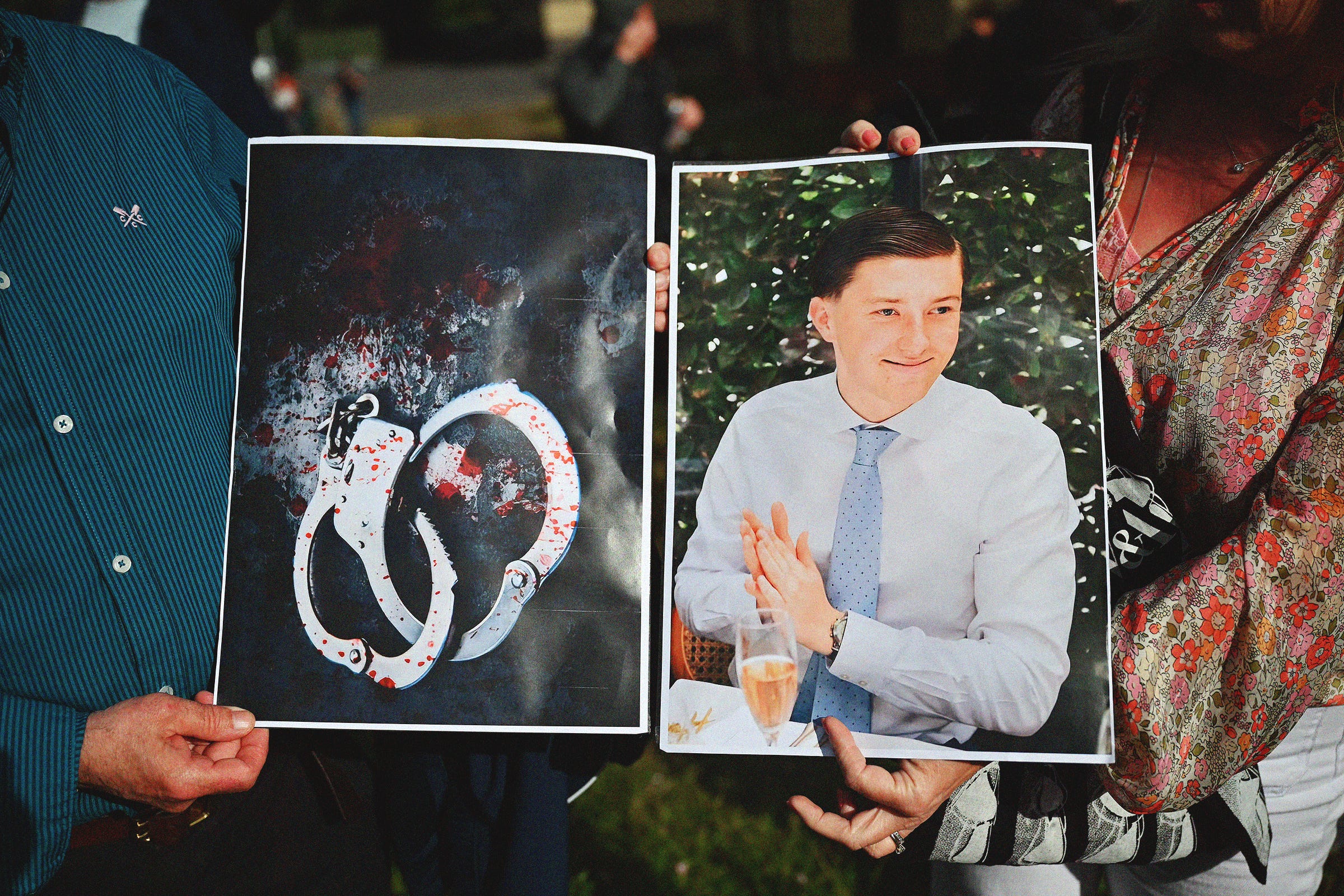
As 18-year-old Henry Nowak lay bleeding out on a quiet road in Southampton, he pleaded with police for help.
“I can’t breathe,” Nowak told responding officers. They jostled him up from his side, putting his torso upright and his hands behind his back.
“I’ve been stabbed,” Nowak said.
“You’ve been stabbed? Whereabouts?” an officer asked as he prepared to place Nowak’s hands in handcuffs. “I don’t think you have, mate.”
Digwa had told responding officers that Nowak had racially abused him.
Nowak slumped over, repeating that he could not breathe, as officers cuffed him. Nowak’s hands were deathly pale.
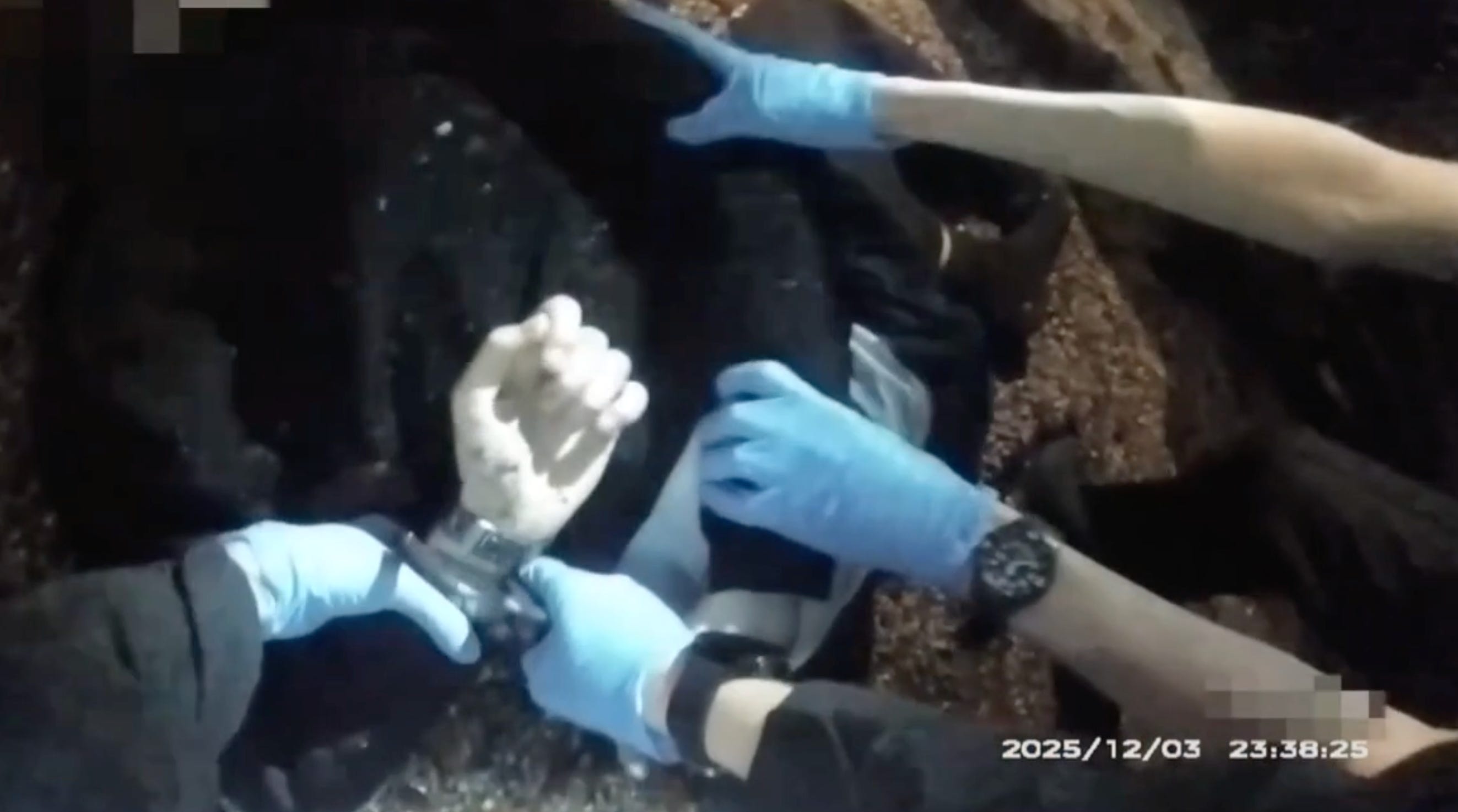
Officers asked him for his name. Nowak did not respond.
“At the moment you are under arrest, and that’s for assault,” an officer told the dying stabbing victim.
One wonders if those were the last words Nowak heard. Nowak was handcuffed for about a minute before the arresting officer began CPR, according to Judge William Mousley.
Nowak died that night, Dec. 3, 2025. Nowak’s killer, Vickrum Singha Digwa, 23, received a life sentence with a 21-year minimum Monday for the murder.
Digwa’s blade had sliced through Nowak’s clothing, then his skin, traveling upwards between his two uppermost ribs and cutting a lung and a vein behind Nowak’s collarbone. Digwa stabbed again: twice to the upper leg, and another time to the groin. Nowak’s face was slashed. Mousley is uncertain whether the slash was intentional.


‘Kirpan’ Privilege
Digwa and Nowak did not know each other prior to the murder. Nowak, a first-semester university student, was walking back to his student accommodations after 11 p.m. At death, Nowak’s blood alcohol level was below the legal limit for driving. He was unarmed.
Digwa was sober, and armed with a Sikh dagger known as a “kirpan.” Sikhs are religiously obligated to carry a kirpan as one of their five articles of faith. The kirpan is supposed to symbolize the Sikh’s “solemn duty to protect the weak and promote justice for all,” according to The Sikh Coalition.
Digwa is a Sikh of the Nihang order. The Nihang carry a second blade, because they believe “the guru will look favourably on that,” according to the judge who sentenced Digwa.
Here is the first indignity in the Nowak case: Sikhs can openly carry a blade, while white British citizens generally cannot.
In the United Kingdom, the maximum penalty for carrying a knife or weapon illegally is 4 years in prison, an unlimited fine, or both punishments.
One cannot carry most knives in public without a “good reason.”
Luckily for Digwa, the United Kingdom specifically notes that carrying a kirpan counts as a good reason.
One might also carry a knife if their work requires it, or “as part of any national costume.”
We can plainly see that non-white ethnicities enjoy privileges on British soil which the British do not. This will be a running theme in the Nowak case.
What Is ‘Izzat’?
In his sentencing remarks, Mousley repeatedly alludes to Digwa feeling disrespected.
The South Asian concept of “izzat” may be relevant to understanding Digwa’s psychological state at the time of the murder. Izzat roughly translates to “honor,” though it might be closer to “reputation.” It is an extreme sensitivity to insult.