State of the Day

State of the Day

Extras

If There's Something Strange At The DOJ, Who Ya Gonna Call?

Reagan Reese's avatar
Reagan Reese
Feb 13, 2026
∙ Paid
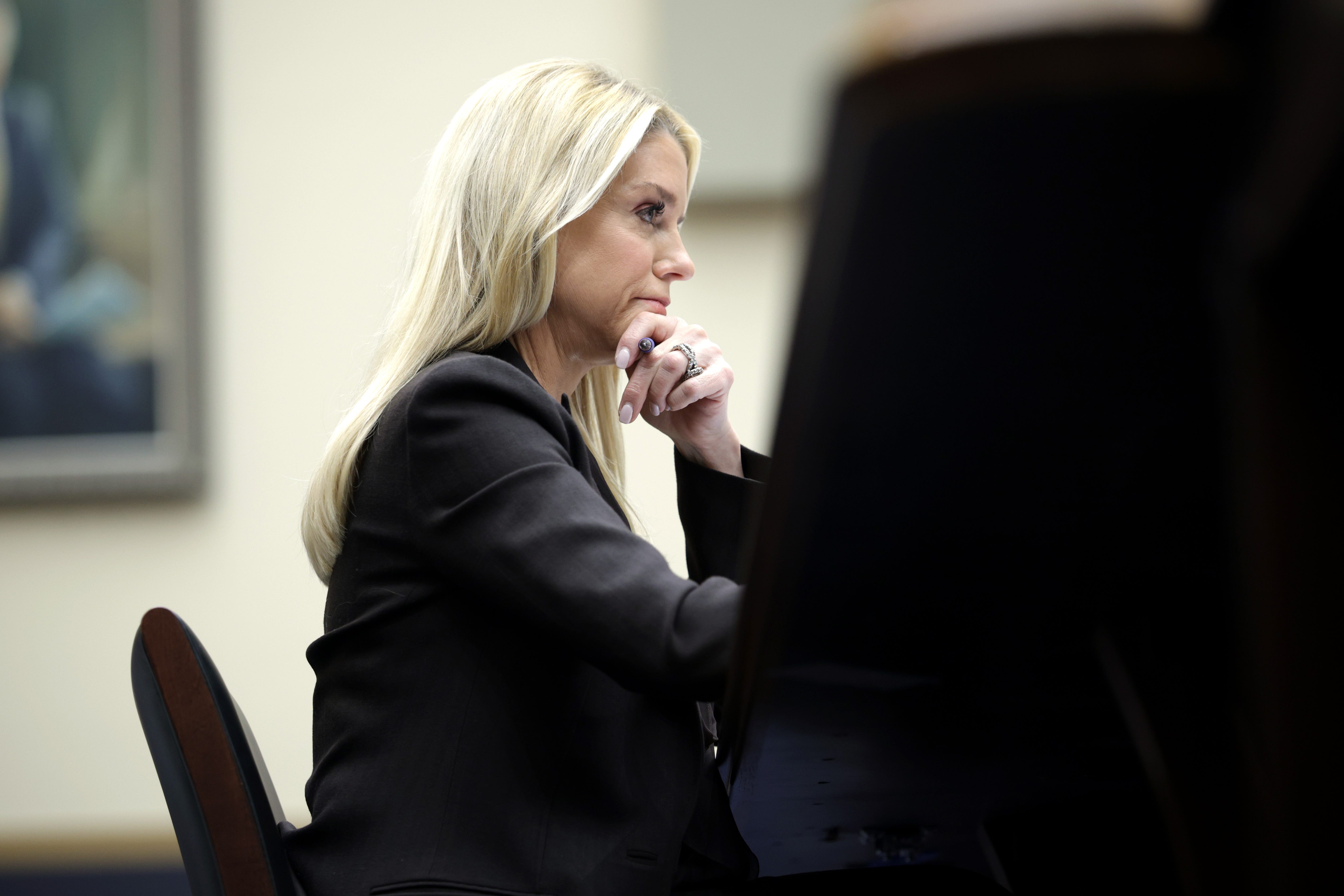
Alex Wong / Staff / Getty Images

I was in some source meetings yesterday at the Pentagon when a contact texted me a link.

A top DOJ official, the Assistant Attorney General to Antitrust, had announced on X that she was leaving her post. There was no reasoning. But the post was instantly viral.

Hours earlier, I had published a piece about Gail Slater appearing to fire her chief of staff on X over the weekend, before reportedly being overruled by Attorney General Pam Bondi.

The night before the piece went live, I started to hear rumblings that she might have been on her way out from the Department. I made a few calls to some sources, but nothing turned up.

Now, my suspicions were correct. Slater was leaving her post, and the debate amongst Trump loyalists and MAGA world began. Initial reports circulated about what exactly went down that led to Slater’s firing.

But I needed to get the story myself, and I only had a few hours to do so.

I texted my editors the news, and followed up with a game plan of what I was going to try to find out, who I was going to talk to and how I was going to get it all done by the end of the day.

I hopped on the metro and started texting anyone I thought could be relevant to the story.

The messages are often as simple as: “Hey. Writing a story on what happened at the DOJ with Gail Slater. Do you have any insight?”

To protect my sources, I can’t tell you much about where these individuals work or how they relate to the piece. This is a key element of journalism: making sure your sources know that if they share information with you, their identities will be kept safe.

Most people know something though, and I always cast a wide net, talking to anyone I can think of when trying to reel in a story.

For the next hour or so, I rode the metro while firing off a slew of text messages. I hopped off the metro every few stops to take calls from sources about what they knew.

As information came in, I would text it back to my editors. Editors are key — they help point out your blind spots as a reporter. The story might make sense to you as you’re gathering the tidbits, but a fresh set of eyes and ears helps identify which questions are still unanswered as you go about your reporting. With their feedback, I would then go back to my sources to try to fill in any missing pieces.

Within a few hours I had spoken to nearly a dozen sources who explained what had occurred over the last few months that eventually led to Slater’s departure.

I began to write the story, and as we were moments from publishing, I received another source call. This individual had more information, something other stories in the media were missing. I texted my editors to pause on publishing so I could hear the additional source out and plug it in to the piece.

In five hours, here is what I learned about Slater’s departure:

This post is for paid subscribers

Already a paid subscriber? Sign in
© 2026 State of the Day · Publisher Privacy
Substack · Privacy ∙ Terms ∙ Collection notice
Start your SubstackGet the app
Substack is the home for great culture
