

In Defense Of Santa
We have a duty to pass on the tradition we loved as children to our posterity – a small debt to pay for what came before and what will come in the future.

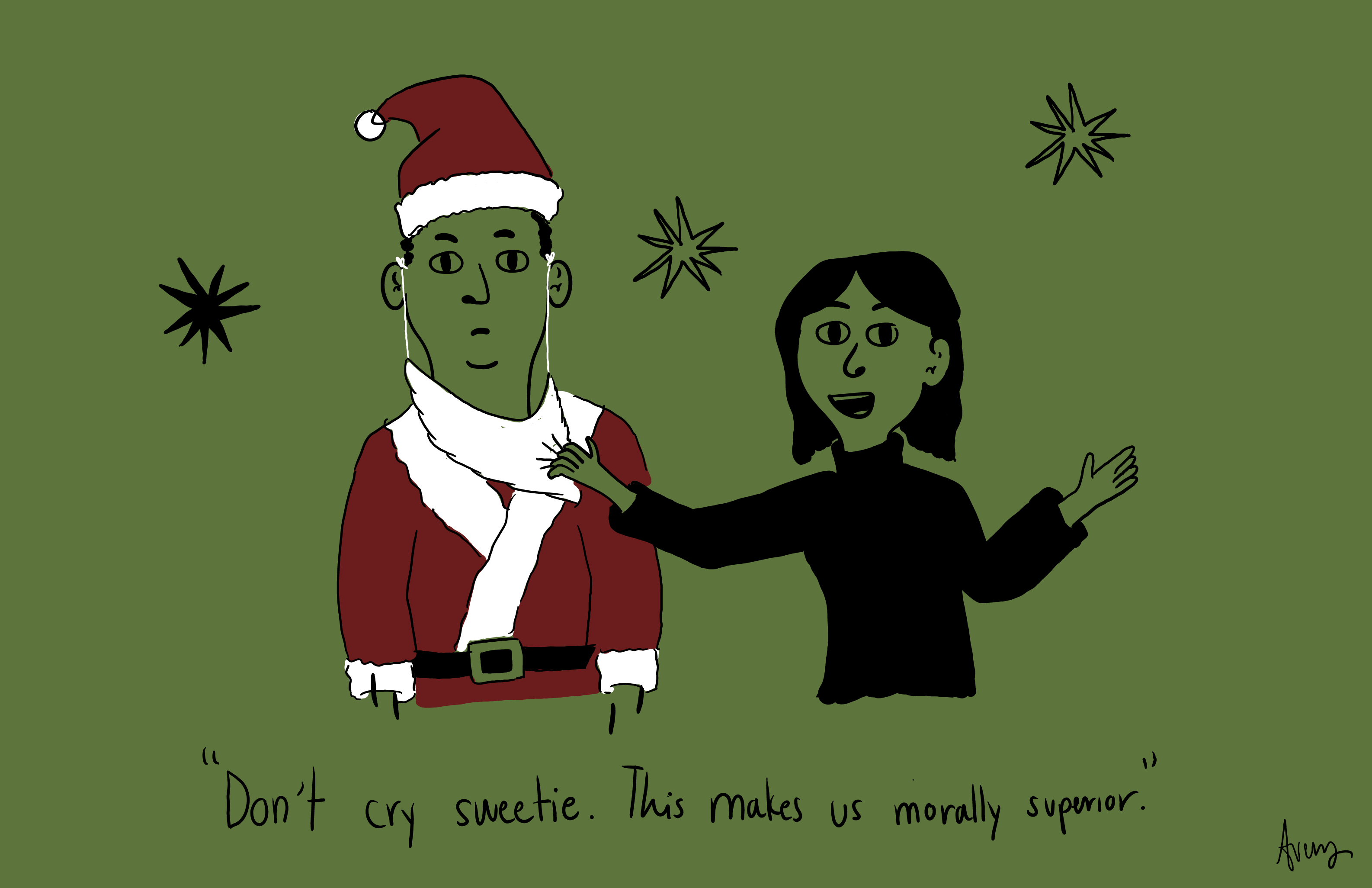
Welcome back to Mr. Right, a newsletter about navigating modern manhood for normal guys in a not-normal world. Merry Christmas! This week, we discuss the great debate over Santa Claus and all the weirdo parents who are telling their kids that he is not real.
Enjoying this newsletter? Share it with your friends and family! It helps keep the lights on and Mr. Right employed. We can’t do it without you.
In Defense Of Santa
We’re back to a timeless debate in our society, which returns every year in December: at what age do you tell your kids that Santa is not real? Do you ever tell them, or do you wait for them to find out for themselves or from their blabbermouth school friends at the lunch table?
Some of us may disagree about the timing. Some of us, myself included, still believe that Santa and his magical reindeer are as real as the sky is blue. Some parents, however, believe that “lying” to their kids about Santa Claus is unethical and harmful.
A mom influencer recently went viral for explaining why she and her family are ditching Santa. You can check her video out here. First, she claims, lying to your kids about Santa builds your relationship on dishonesty. Second, there is already enough magic involved in celebrating Christmas, including the gift-giving, the food, and the family time. Third, Santa is not the reason for the season, whether you are a Christian or secular, and his myth only feeds into our toxic consumerist culture.
This is borderline child abuse.

Of course, telling your kids Santa is real is technically a lie, but in no way is it harmful, and in no way is it different from telling them that babies are dropped off via stork mail. Unless you are psychotic, you are not going to tell your 5-year-old how sex works, just as you are not going to tell them that the wrapped presents under the tree were purchased on Amazon. And yes, Christmas is magical with or without Santa, but for a young toddler, the magic isn’t found in sitting around with all the adults. Appreciating the precious time you have with family is reserved for people who are older and have experienced the fragility of life. Don’t make the innocent youth feel what the old have learned the hard way. Pass on that wisdom when they are a little older.
We do live in a consumerist culture, but so what. Everything feeds into it. Every ad on social media, every TV commercial, everyone is selling you something. You cannot escape it. But if anything, Santa is a buffer against consumer culture – he is the antidote. Santa only comes once a year, not every single day, and his rare appearance makes receiving gifts that much more special. He teaches kids to be good, be patient, that you don’t need new toys every Friday.

And, no, Santa is not the reason for the season; Jesus is. But two things can be true at the same time: Santa can be real, and so can Jesus’ birth.
There’s something to be said of people like this mom influencer weaponizing bogus modern psychology and therapy speak to uproot traditions and beliefs that have been passed down from generation to generation – all in order to feel morally superior or enlightened. You can see it happening everywhere, with woke feminists and right-wing Nick Fuentes cultists attacking the institution of marriage, or the therapists encouraging all of us to revisit our “past traumas” constantly, as if dwelling on the past was ever a good idea.
With this last example, the ancients understood that it is best to move on, look forward, and not linger in the past, ruminating over mistakes or what could have been.
In Aesop’s Fables, a collection of stories from Ancient Greece, the fox tries to reach for grapes that are too high. Instead of wallowing over no delicious snack, he snubs his FOMO, dismissing the grapes as being sour and unripe. Hence, “sour grapes.”

In Genesis 19, God instructs Lot’s wife to refrain from looking back at the city of Sodom as He rains down fire and sulfur. Lot looks back, though, and instantly she turns into a pillar of salt. Perhaps the message here is that we shouldn’t look back. We just need to look forward and keep trudging into the future, with God watching over us. Looking back in the past makes us pillars of salt.
Many traditions and nuggets of wisdom passed down to us through the ages are not just harmless; they are beneficial. The myth of Santa is harmless, and so is a myth that explains the founding of a country, empire, or people, like our own story of the Founding Fathers and U.S. Constitution. They also serve a greater purpose. The Santa myth less so, but these myths hold together the fabric of our society. They make us feel a part of something bigger than ourselves. Without that, we feel lonely and atomized, and society starts to unravel. I mean, just look at how divided the United States is today. More and more young people no longer believe that the Founding Fathers were visionary heroes, or that the sanctity of the Constitution is worth preserving, and that is to our great detriment as a nation.
We should all keep the Santa myth alive for as long as possible with our own kids, grandkids, nieces and nephews. We have a duty to pass on the tradition we loved as children to our posterity – a small debt to pay for what came before and what will come in the future.
Like what you’re reading? If so, please consider subscribing to State of the Day or sharing this with a friend. You’d be supporting this newsletter and helping keep independent journalism alive.
If you are already a paid subscriber, make sure to join the conversation in our subscribers-only chat below.
