


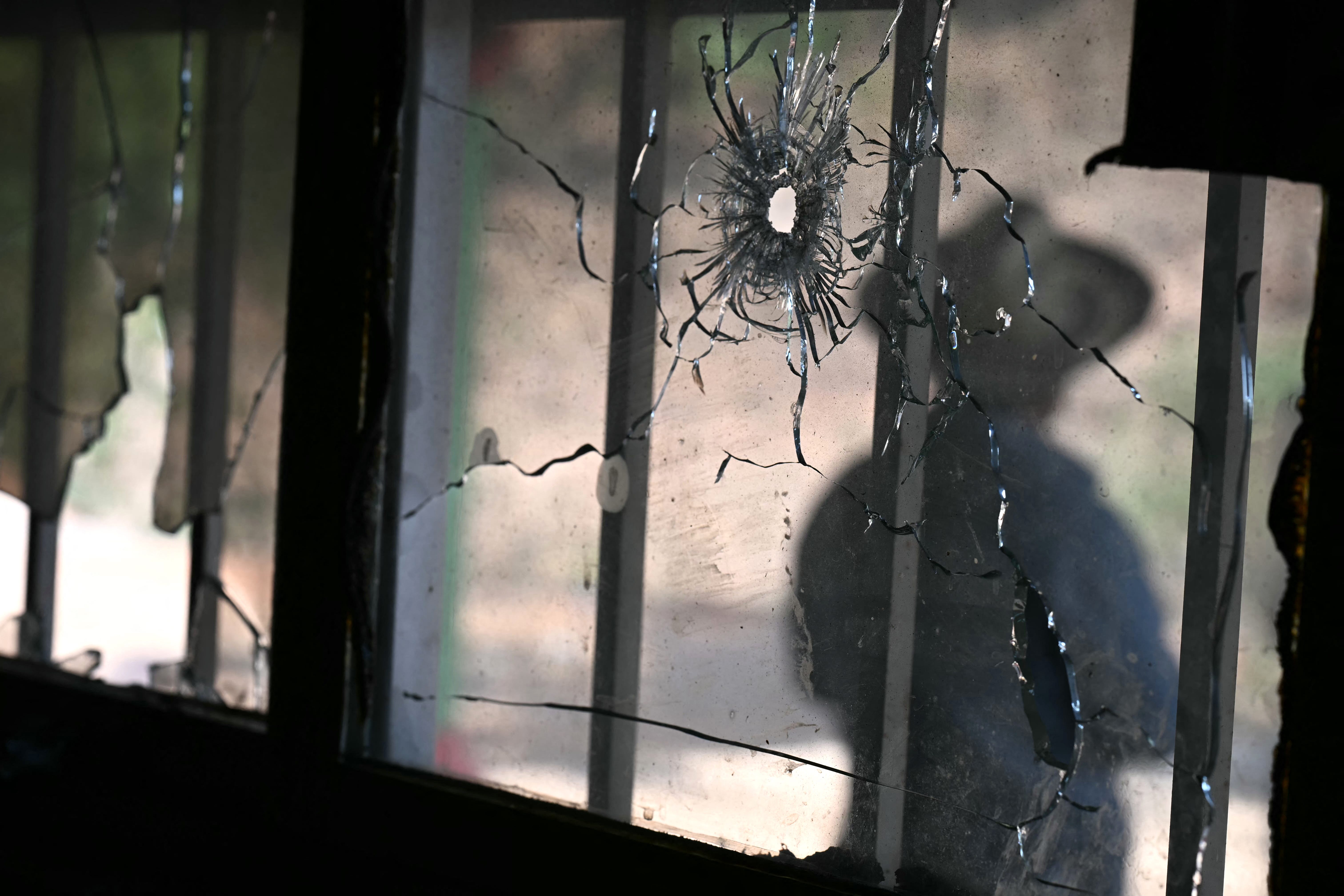
Imagine a world free of cancer, obesity, vandalism, cavities, earthquakes, and crime.
It would be terrible for business.
“A decline in car break-ins across Oakland is being welcomed as a public safety win, but it is also contributing to a downturn for some local auto glass repair businesses,” wrote KTVU FOX 2 on Friday.
Oakland’s violent crime rate dropped 25% from 2024 to 2025, according to The Oaklandside. Car thefts reportedly decreased 39% and carjackings decreased 49%.
KTVU spoke to Raj Singh, owner of Low Price Auto Glass.
“There is the door glass repair if there is any break-ins or vandalism — that segment of my business has been down about 30 percent,” Singh told the outlet. Singh added that “from a community point of view” the downturn in demand has been a “good surprise.”
Another auto glass repair owner estimated business was down about 35 to 40%, telling KTVU he had reduced his glass installers from seven to four.
KTVU’s write-up concludes, in ChatGPT-flavored prose: “The overall effect underscores a mixed outcome: improved public safety alongside new economic challenges for certain sectors.”
As many commenters on X noted, KTVU is indulging in the “broken window fallacy,” as proposed in an 1850 essay by French economist Frédéric Bastiat.
Bastiat asks the reader to consider the following hypothetical: A shopkeeper’s son has broken a pane of glass. A crowd gathers, and one of the spectators comforts the shopkeeper by saying, “Everybody must live, and what would become of the glaziers if panes of glass were never broken”
It is true that the glazier profits by the broken window. But, says Bastiat, one must not conclude that breaking windows is good because it stimulates the economy.
Bastiat notes that the shopkeeper, having spent money on repairing his window, cannot spend that money elsewhere.
If the shopkeeper “had not had a window to replace, he would, perhaps, have replaced his old shoes, or added another book to his library. In short, he would have employed his six francs in some way, which this accident has prevented,” writes Bastiat. There is a hidden opportunity cost in paying money to fix a window.
Bastiat concludes: “Destruction is not profit.”
The problem with fixing things is that you put the fixers out of a job. Consider “homelessness.”