


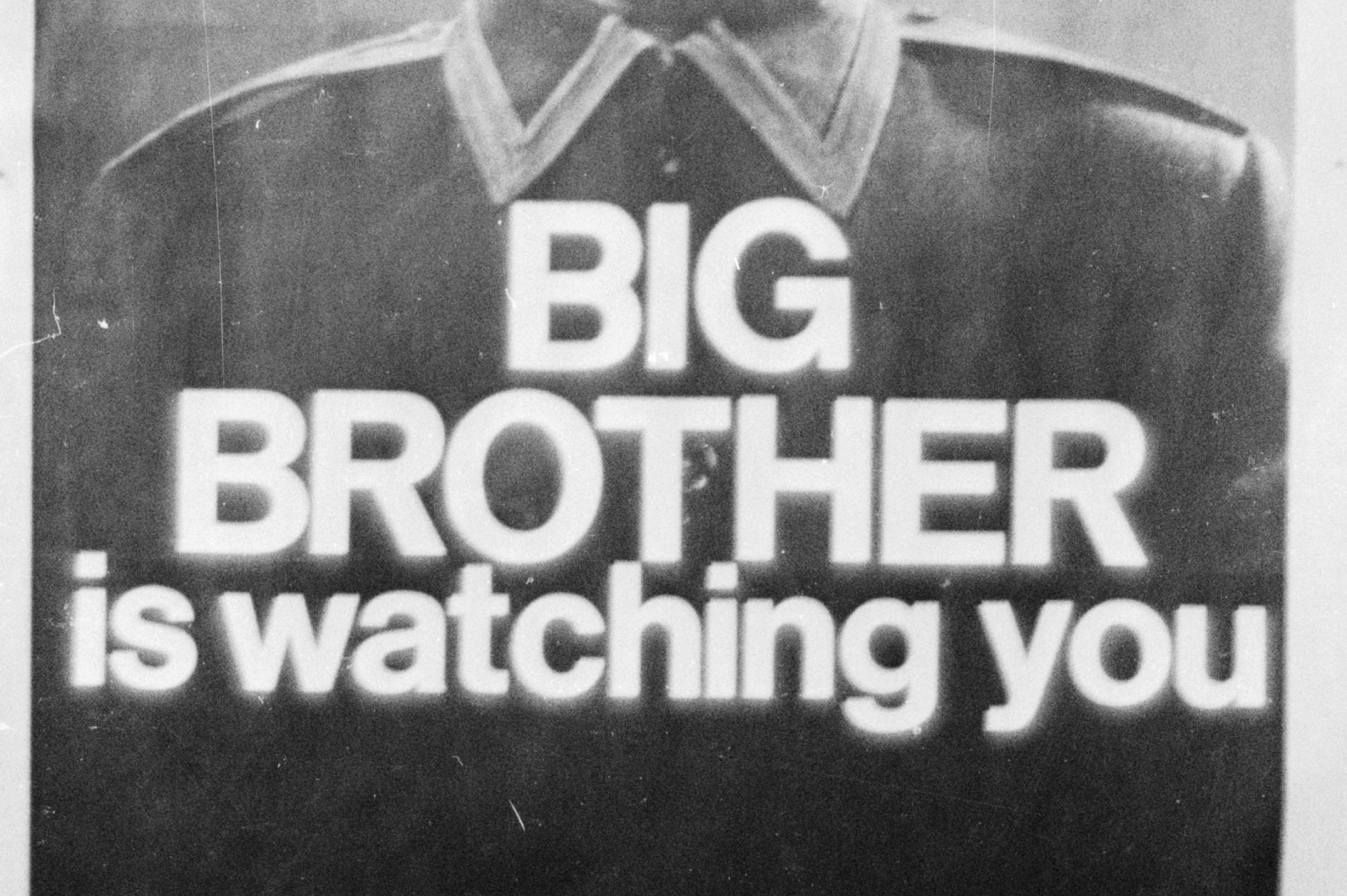
We live in an era of technological totalitarianism. Regardless of whether we are criminals, potential threats to others, or just unwitting customers who signed up for something that we do not fully understand, we are monitored by private tech companies, 24/7. George Orwell did not even predict this world in his dystopian classic, 1984.
Over the last three decades, Big Tech giants grew and acquired power at a dizzying pace, and while most of us were too enamored by their sleek products and the ease and comfort they brought to our daily lives — the convenience of Amazon Prime shipping, for example, or the technological marvel of the iPhone — they quietly built layer upon layer of digital surveillance. They harvest our data, then use it to sell products through targeted advertising. App permissions and invisible web trackers are used to build behavioral profiles. It is as if these companies know us better than we know ourselves — and maybe they do.
Americans somewhat willingly participated in this surveillance experiment because, ultimately, they didn’t fully know what was going on behind the scenes. It is also largely invisible. You cannot see the computer code that allows a company to track your movements, and no one ever reads the fine print that gives them permission to surveil.
Digital surveillance is ubiquitous — what water is to a fish — and there is simply no way to exist outside it. You cannot be a functioning adult in the 21st century without a smartphone, for example. No matter what your occupation is, you need an email. You have to use the internet whether you work at a big Wall Street bank or a coffee shop on Main Street. Good luck trying to escape it.
But Americans might be waking up to this new reality, thanks to Flock Safety cameras, which have become a flashpoint for a new debate surrounding privacy and surveillance.