


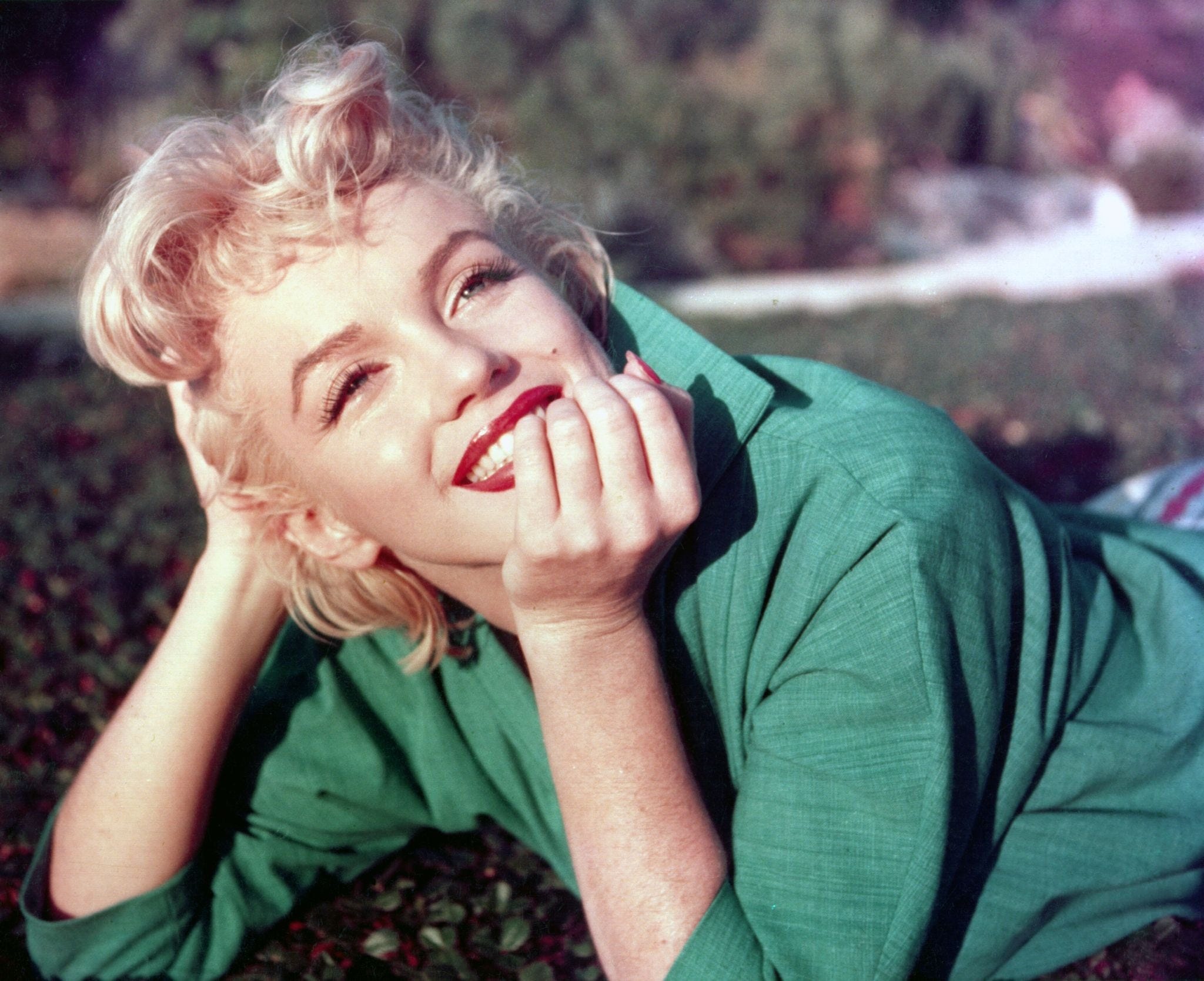
The year is 1962 …
And Marilyn Monroe, the iconic movie actress and Hollywood sex symbol, is found dead in her Los Angeles home on August 5. She is lying naked, face down in her bed, with a telephone in her hand.
Monroe’s life was star-studded and extravagant, but also emotionally tumultuous as she suffered from mental health crises and a dependency on prescription drugs and alcohol. Monroe was born Norma Jeane Mortenson on June 1, 1926, in Los Angeles, to an unstable mother who was in and out of asylums. She was raised by foster parents and spent time in an orphanage. By the age of 16, she married a worker in an aircraft factory, but they divorced some years later.
In 1944, Monroe turned to modeling, and by 1946, she signed a short-term contract with 20th Century Fox, under the screen name “Marilyn Monroe.” Her career did not take off at this point, and so in 1949, she returned to modeling. She famously posed nude for a calendar photo that would later appear in the first edition of Playboy magazine in 1953.
The 1950s were when Monroe became a household name, gaining international notoriety with roles in Love Nest (1951), Monkey Business (1952), Niagara (1953), Gentlemen Prefer Blondes (1953), How to Marry a Millionaire (1953), and There’s No Business Like Show Business (1954), and The Seven-Year Itch (1955). In 1954, she married the legendary Yankees baseball star Joe DiMaggio, but divorced him and married the American playwright Arthur Miller in 1956. She received critical acclaim for her role in Billy Wilder’s legendary comedy Some Like It Hot (1959). Her role in The Misfits (1961) would be her last.
By this time, Monroe was suffering from depression and had become increasingly erratic and reclusive. One of her last big public acts was singing “Happy Birthday” for President John F. Kennedy, with whom it is widely believed she had an affair, in May 1962. It is also believed she had an affair with his brother, Robert F. Kennedy.
The relationships with both men have led to numerous conspiracy theories surrounding the circumstances of her death, which the Los Angeles Police Department determined was “caused by a self-administered overdose of sedative drugs and that the mode of death is probable suicide.” Police found empty pill bottles by her body, and a toxicology report later revealed that her cause of death was acute barbiturate poisoning.
Nevertheless, speculation was rampant. Many people believed – and still do – that the Kennedys had her killed out of fear that she would take the alleged affairs public. On the night of her death, August 4, then-Attorney General Robert Kennedy was believed to have been in Los Angeles, but the Kennedy family and Justice Department disputed this at the time. Twenty years after the incident, Monroe’s housekeeper, Eunice Murray, alleged that Robert Kennedy visited with Monroe the night of her death and argued with her. British journalist Anthony Summers, a prominent Monroe biographer, alleged in his 1985 book, Goddess: The Secret Lives of Marilyn Monroe, that her death was the result of a cover-up.
Like what you’re reading? If so, please consider subscribing to State of the Day or sharing this with a friend. You’d be supporting this newsletter and helping keep independent journalism alive.
If you are already a paid subscriber, make sure to join the conversation in our subscribers-only chat below.


