


Welcome to State of the Day,
Six cameras, a community college, and a battle for privacy,
Flock’s Fight To Keep Watching
Keep the money. Take the cameras.
That was the deal Elgin Community College offered Flock Safety after deciding it no longer wanted six of the company’s surveillance cameras on campus. Flock didn’t oblige.
The company maintained that it hadn’t violated its contract and denied the college’s request to remove the cameras. When administrators offered to pay the remainder of the contract in exchange for their removal, Flock’s response? Crickets.
So the college took matters into its own hands, covering the cameras with black trash bags and zip ties. Soon after, workers in unmarked vehicles showed up and removed the coverings. The college put the bags back up. Someone took them down again. The ludicrous back-and-forth continued until their contract expired.
The question, however, is if this was just about money, then why wouldn’t Flock take the deal?
Flock could have cashed in and walked away, and this story, in and of itself, is alarming. But the bigger question it raises is even more troubling.
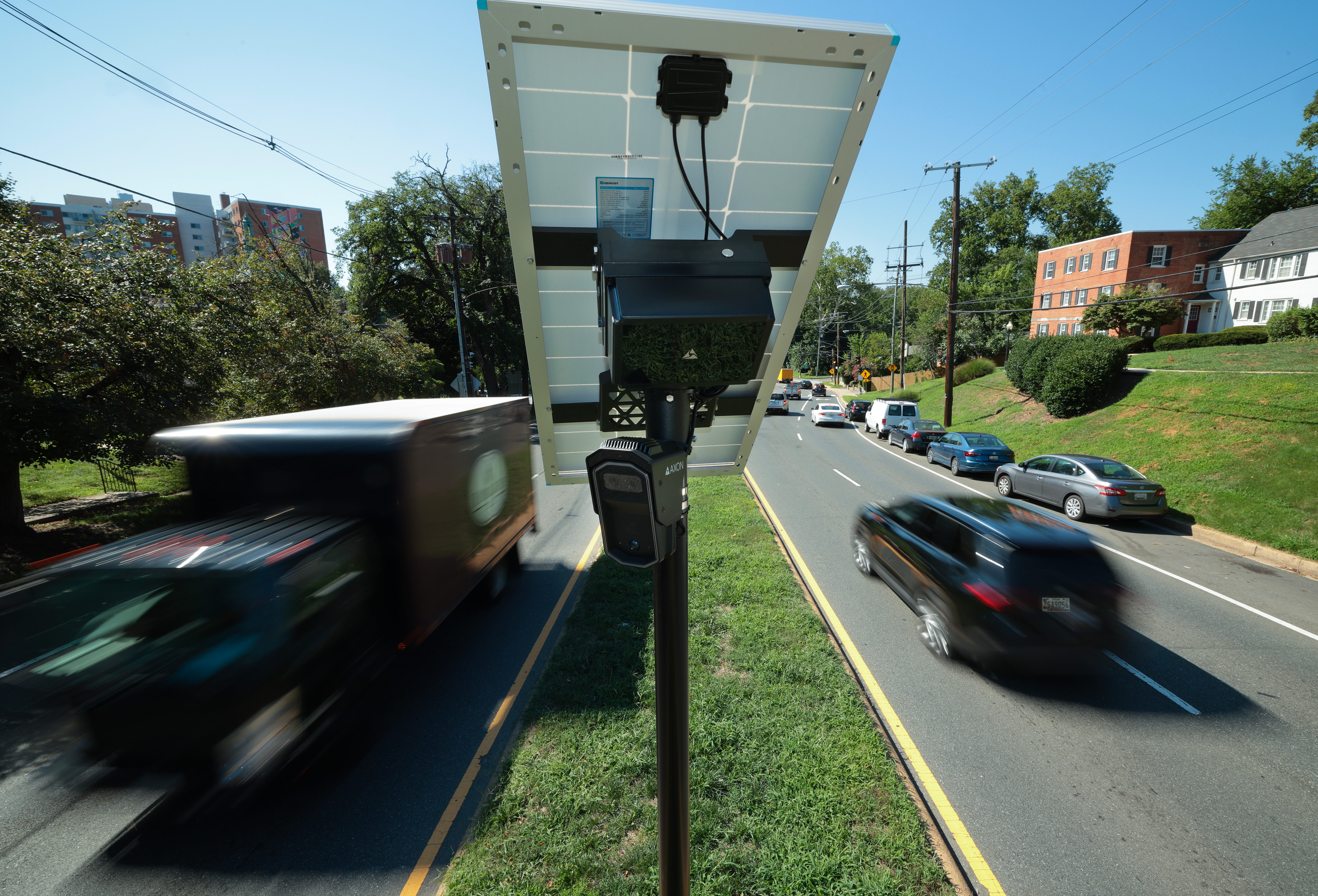
They’re not just selling cameras — they’re building a surveillance network. More cameras mean more data, more opportunities to track people’s movements, and a larger pool of searchable information.
Elgin’s experience offers no definitive answer about why Flock refused the request or who removed the coverings.
But this isn’t about six cameras on a college campus. It’s about the power that comes with building a surveillance network so extensive that communities can’t disentangle themselves from it.
A Chinese finger trap of surveillance.
I’ve written before about the dangers of handing over more of our privacy in exchange for promises of security. Flock’s cameras can turn an ordinary day into a searchable record of our movements.
Participating law enforcement agencies can access that data without first obtaining a warrant, and the system has already been abused by officers who used it to stalk people in their personal lives. Even more concerning, the technology is expanding beyond license plates, with tools that can identify additional vehicle characteristics and detect Bluetooth signals from devices inside cars.
For years, American politicians have warned about China’s sprawling surveillance state, where technology allows the government to monitor its citizens on an enormous scale. Yet here at home, we’re building our own increasingly sophisticated surveillance infrastructure, under the banner of public safety.
When do we decide we’ve given up enough?
We deserve to know what our communities are signing up for, who can access the information collected, and whether we can walk away.
If we invite surveillance into our communities but can’t tell it to leave, who’s really in control?
The next time someone promises that surrendering just a little more privacy will make us safer, we ought to ask: What happens when we say no?
From The Editors’ Desk
EXCLUSIVE: American Taxpayers Feed Yemen While Its Farmers Grow Drugs, The Daily Caller, Derek VanBuskirk
The Daily Caller’s own Derek VanBuskirk dives into how American foreign aid is undermining Yemen’s domestic food production. While the U.S. sends hundreds of thousands of tonnes of wheat, farmers devote scarce water and agricultural resources to growing khat, an addictive stimulant with effects similar to cocaine and methamphetamine. Commonly chewed in its leaf form, khat accounts for about 10 percent of household budgets in Yemen.
Jack Smith’s FBI Probe Obtained Personal Data Of 640,000 Everyday Republicans, MAGA Hat Buyers, The Daily Caller News Foundation, Emily Kopp
The FBI obtained personal information on more than half a million Americans who supported President Donald Trump as part of special counsel Jack Smith’s investigation. The records included names, dates of birth, home addresses, email addresses, and voter registration information. Read the Daily Caller News Foundation’s Emily Kopp for the full story.
‘War Criminal’: Iran War Protestors Scream At Hegseth While Dragged Out Of Event, The Daily Caller News Foundation, Francis Kapper
Secretary of War Pete Hegseth was ambushed on Wednesday by protestors against the Iran War during a roundtable on Autonomous Warfare at the Association of the United States Army conference in Washington, D.C. The DCNF’s Francis Kapper reported that a coordinated effort of six different protesters took turns interrupting Hegseth’s panel at the Walter E. Washington Convention Center.
Ramaswamy Campaign Ad Accidentally Featured a Sex Offender, The Bulwark, Jim Swift
Vivek Ramaswamy’s campaign for governor is reeling after an ad featured Vernon Edwards, a registered sex offender. The ad focused on concerns about rising property taxes, but her husband appeared in several shots. Read The Bulwark’s Jim Swift on the campaign’s oversight and the questions it raises about vetting.
Like what you’re reading? If so, please consider upgrading to a paid State of the Day subscription or sharing this with a friend. You’d be supporting this newsletter and helping keep independent journalism alive.
If you are already a paid subscriber, make sure to join the conversation in our subscribers-only chat below.
