


Hello everyone,
Welcome to State of the Day,
First things first: Some things may look a little different around here, but don’t worry — we’ll still be bringing the most important stories and perspectives to your inbox every day.
Now, on to the good stuff…
Reading The Tea Leaves
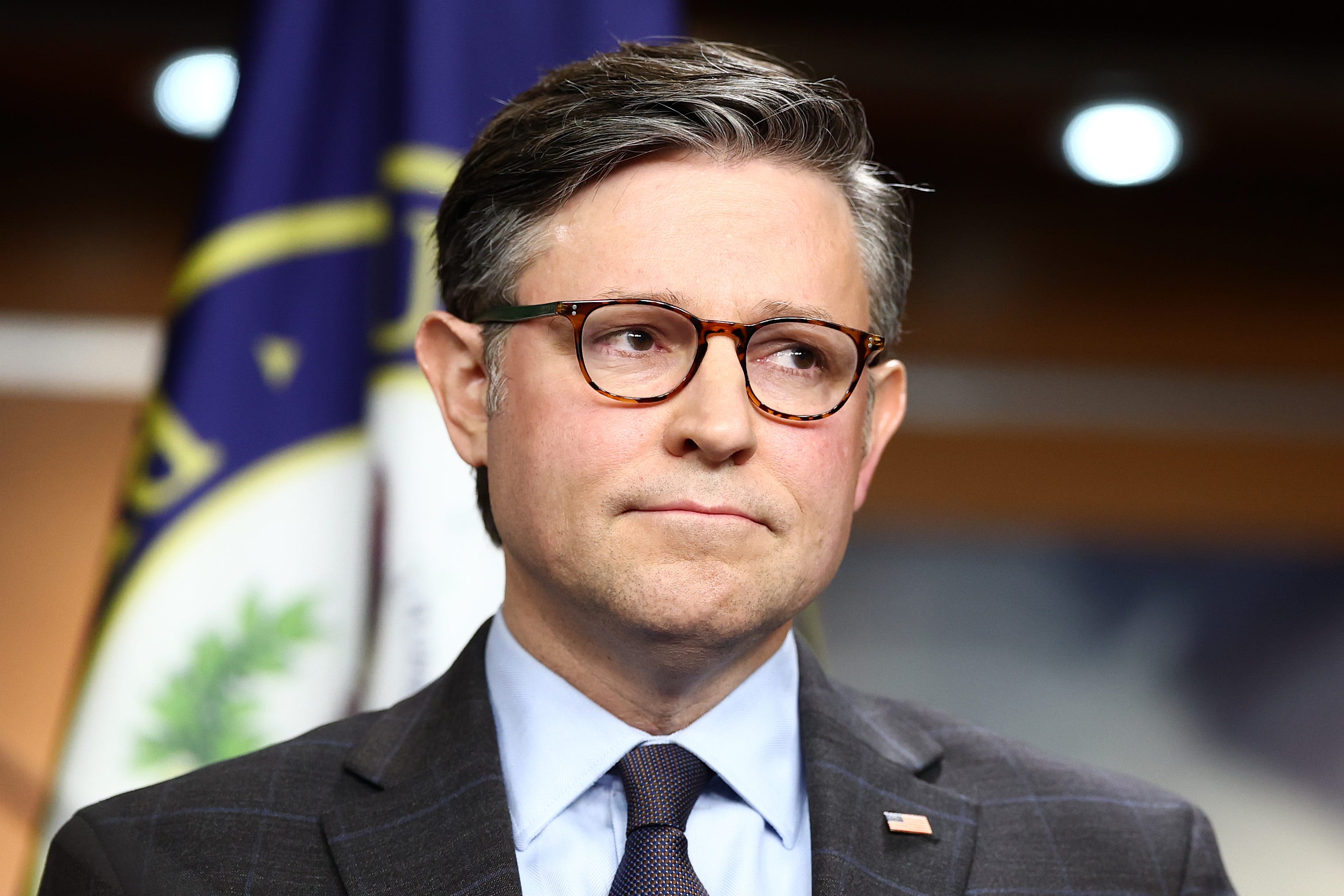
Republicans have been messaging on how big these midterms will be for them — whether it’s NRSC Chair Tim Scott saying they’ll keep the Senate or Mike Johnson saying he’ll remain speaker, they’ve painted quite the confident picture.
And while bits and pieces of their public polling reinforce that notion, their checkbooks beg to differ. Last week, Republicans effectively pulled the plug on Michael Whatley, who is running for Senate in North Carolina. Instead, they’re redirecting their funds to Kansas.
That’s right, Kansas.
And to put this into perspective, we’re not talking about a few thousand bucks being shuffled around. We’re talking tens of millions of dollars in canceled ad buys and pulled spending — the whole nine yards.
Now here’s where we run into an issue: if we’re meant to believe that Republicans will hold the Senate, then that would surely mean holding onto North Carolina, right?
While I’m no swampy consultant, I know Kansas is a far cry from a swing state, so if Republicans are cutting their losses in North Carolina to save Kansas, that paints a much, much bleaker picture than Congressional leadership would have us imagine.
That’s why political spending can offer one of the clearest windows into how campaigns and party operatives actually view a race. Candidates can say they’re confident. Campaigns can release rosy internal polling. Consultants can, and will, insist that everything is going according to plan.
But eventually, somebody has to open their wallet.
And political parties have a vested interest in making those spending decisions based on the best information available to them. That means ad buys, staff deployments, events, and transfers of political cash can say more about the state of a race than the public messaging surrounding it.
That doesn’t mean every dollar moved out of a race is a death certificate for a candidate.
Sometimes candidates pull so far ahead that the money is simply better spent elsewhere. After Republicans effectively withdrew from North Carolina and the Democratic nominee, Roy Cooper, opened up a double-digit lead, for example, Democrats pulled some funding from the race.
But when a candidate is already struggling in the polls, and then the broader political apparatus shifts resources, it’s usually a pretty good sign that someone, somewhere, is already drafting the concession speech.
That’s particularly true when you can see where the money is going next.
Which brings us back to Kansas.
Senator Roger Marshall has been representing the Sunflower State on Capitol Hill since 2017, and he’s never really had to throw on the gloves for the general election.
In 2020, when he first ran for Senate, Marshall cruised to victory with a double-digit lead — and it was the closest he’d ever come to losing an actual election. Now, current polling has Marshall tied with Democrat pastor Adam Hamilton.
For some perspective, the last time Kansas sent a Democratic senator to D.C. was the year FDR was elected.
So, the question isn’t simply whether Republicans are spending less in North Carolina.
It’s what they think they can accomplish with that money somewhere else, and why they think it’s better spent there.
See, when you ask yourself that, the less-than-perfect reality for Republicans starts to come into focus: their spending suggests they aren’t preparing for a big win. They’re just fighting to stay afloat.
This is why I’m increasingly interested in political spending as a complement — and more often than not, a corrective — to polling.
Polls come with a laundry list of variables: Who commissioned them? Who was surveyed? How many people were included? Were they registered voters or likely voters? What was the methodology? Was the poll conducted independently, or was it commissioned by a campaign with an obvious interest in the result?
All of those questions matter, and there’s no shortage of X users who dedicate their entire existence to interpreting these very polls.
At the end of the day, polls will never be perfect or foolproof. Hard dollars, however, aren’t easy to hide — and, at the very least, they can give us a peek into what they’re thinking, not what they want you to think.
From The Editors’ Desk
They told the world AI was dangerous. Now Trump’s allies are coming for them — Nitasha Tiku, Ian Duncan, and Gerrit De Vynck, Washington Post
Trump allies are moving to sideline some of DC’s most prominent AI safety groups over concerns they are too closely tied to the companies they audit. But there are plenty of AI skeptics raising many of the same alarms about runaway AI development — and their warnings are being brushed aside too.
Trump Approves Firing Squad Execution For Jihadist Fort Hood Shooter — Jillian Butler, Daily Caller News Foundation
More than a year after the Daily Caller News Foundation scooped that President Donald Trump had approved executing the Fort Hood shooter via firing squad, the administration is moving forward with the process. Pentagon Spokesman Sean Parnell announced Monday that Secretary of War Pete Hegseth recommended and President Donald Trump has approved the “death by U.S. Army firing squad for convicted terrorist Nidal Malik Hasan, the jihadist who opened fire on unarmed American soldiers at Fort Hood in 2009.”
Porn Helps Explain The Cornell Sexual Assault Case — Emma Camp, Wall Street Journal
Is porn to blame for the degrading and debaucherous sex acts at the heart of the Cornell 7 alleged “gang rape”? Emma Camp makes the case, writing that violent and “varsity” level sexual acts have become the norm among young people whose sexual preferences are increasingly shaped by what they’re exposed to online.
CIA Report Warns Israel Could Head Toward Civil War, Total Collapse — Aida Chavez, Drop Site News
“Fracture From Within” is the reported title of a CIA assessment warning that Israel could face civil conflict or even state collapse. According to Drop Site News, the assessment points to a mix of pressures inside the country — soaring military spending, heavily armed veterans returning from prolonged combat, anger over military-service exemptions and growing frustration over settler violence in the West Bank, among other factors.
EXCLUSIVE: Dem Candidate Oversaw Contract With Soros-Linked Group Aimed At ‘Advancing Racial Justice’ — Rebeka Zeljko, Daily Caller
“Police-free world?” Race Forward, a nonprofit that has received more than $2.7 million in grants from George Soros’ Open Society Foundations, was tied to Democratic candidate David Crowley, as reported by the Daily Caller’s own Rebeka Zeljko. Crowley, who is running against Republican Rep. Tom Tiffany for Wisconsin governor, oversaw a $20,000 contract with the group in Milwaukee County. Race Forward describes its mission as “advancing racial justice” — and its past advocacy includes calls for a “police-free world.”
Like what you’re reading? If so, please consider subscribing to State of the Day or sharing this with a friend. You’d be supporting this newsletter and helping keep independent journalism alive.
If you are already a paid subscriber, make sure to join the conversation in our subscribers-only chat below.

How did your theory about hard dollars work out for (former) Senator Cornyn? Not interested in panican theories, they just confuse the Chicken Littles.