


Natural gas and electricity. Apartments and homes. Groceries: fruits, vegetables, beef, coffee. New cars. Used cars. Healthcare. Airline fares. College tuition. Apparel.
These are goods and services that help build a life. Some are bare necessities. Some are necessities that allow us to enjoy luxuries. Others are luxuries in and of themselves. But they all make life, as we know it today, possible.
We need energy to survive. Gas to go places – to work, to school, to visit loved ones – and electricity to keep the lights on at home. We need food. We need nutritious food. Food that doesn’t make us sick. Enough of it to feed ourselves and our families. We need the clothes on our backs. We need doctors and nurses, hospitals and urgent care centers. We need physicals and surgeries, chemo and root canals. We need to fly sometimes. To visit family. Attend a wedding. Attend a funeral. Take a vacation.
Across the board, they have all gotten more expensive. I remember in 2019 buying a week’s worth of groceries for myself for about $40. I was on a budget and shopped frugally (I was also looking to lose some weight), but to buy that same amount of food now, seven years later, would likely cost at least $20 extra, maybe more.
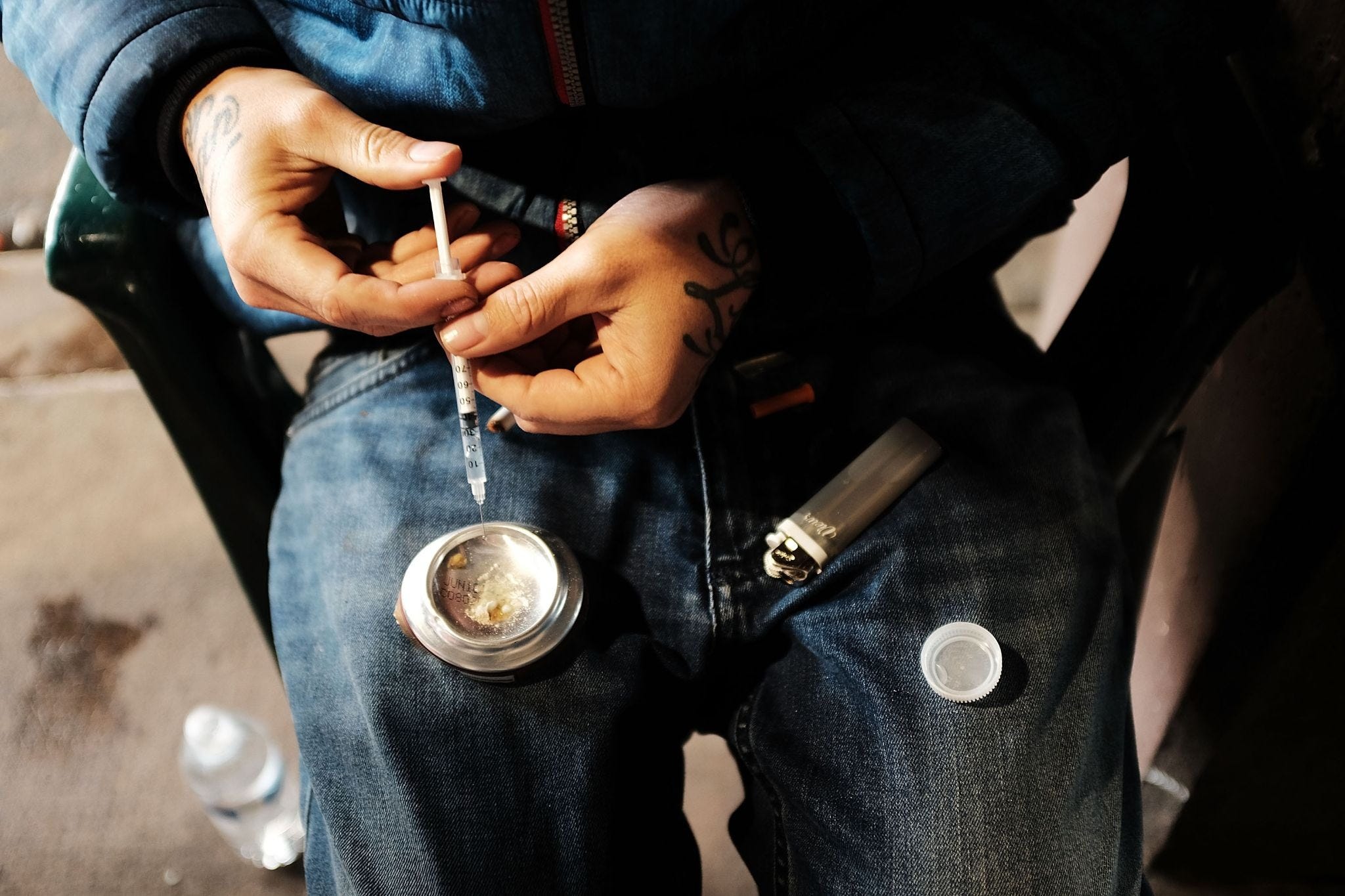
But one thing that hasn’t gotten more expensive over the past several decades is not helping Americans build or maintain a life – it’s, quite literally, doing the opposite. It is killing life, sending Americans to the morgue, and leaving in its wake unimaginable emotional wreckage.