


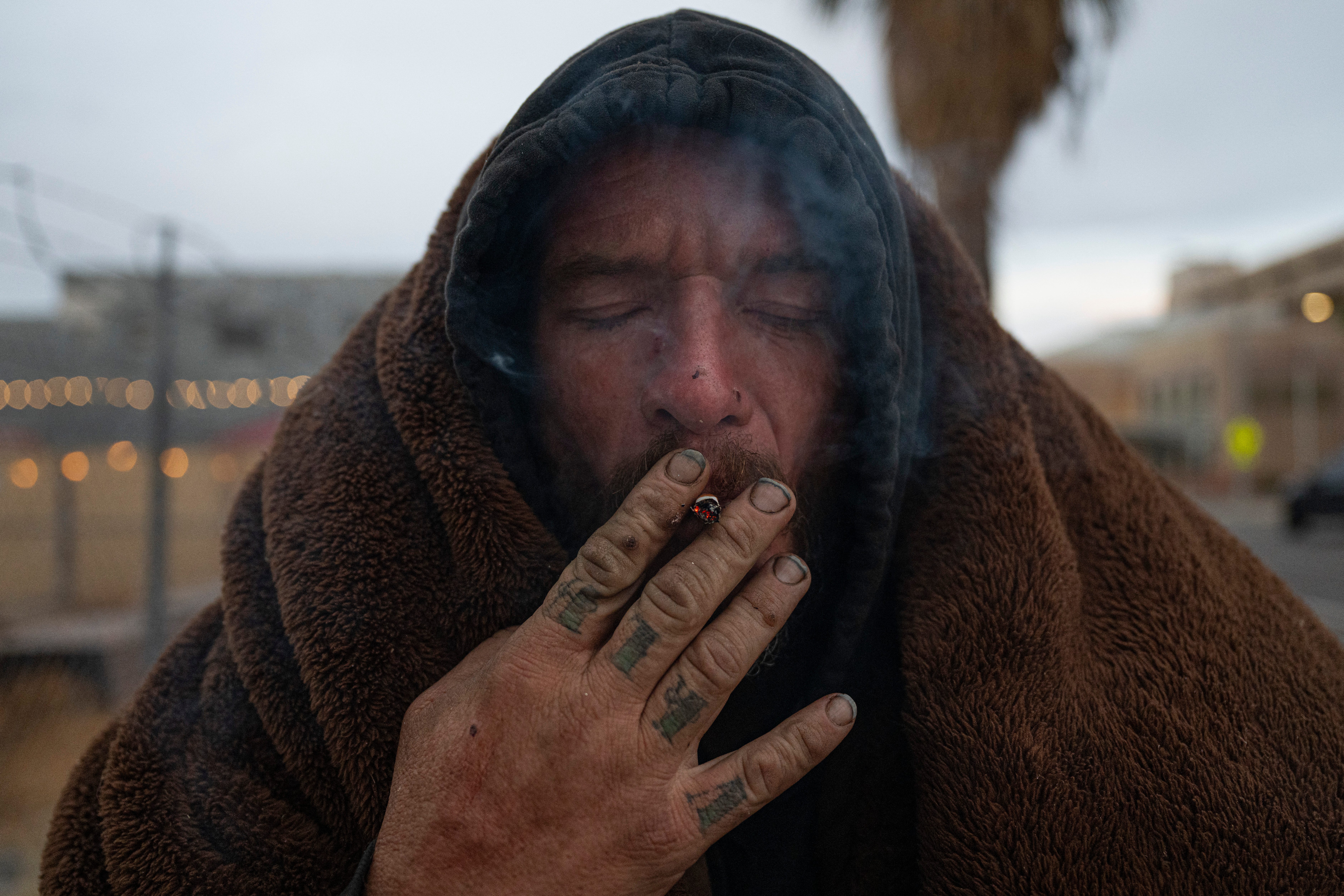
“Homelessness” is not real.
That is to say: People generally do not live on the street for lack of a home, or because rent is too high. They live on the street because they are dysfunctional.
There are surely some unfortunates who, through no fault of their own, have no recourse but to sleep on a park bench or in a public toilet for a night or two.
But consider the man who sleeps on a park bench for a month. He has no friends or family capable of taking him in — or none willing to do so. He refuses to shack up in his local homeless shelter. Why? In all likelihood, because he’s doing drugs. No one wants to wake up to a fentzombie standing bentnecked and frozen in their living room or co-op kitchen.
At this point, someone will inevitably protest, “Mental health!”
And I’d grant that those with mental disorders, especially Cluster B disorders, are probably overrepresented among vagrants. Those with Cluster B disorders are often bad at maintaining relationships. Cluster B disorders typically involve high levels of impulsivity and emotional dysregulation — which may lead sufferers to self-medicate with drugs. Dependence on drugs like fentanyl or heroin or alcohol is likely to worsen bad behavioral patterns.
I’d speculate that the percentage of vagrants who are:
Severely mentally ill
Sober
… Is close to zero.
Regardless, the most important consideration when it comes to vagrancy is not the vagrant’s life story, as sad as it may be. It is the safety and freedom of the general public.
Louisiana is attempting to increase the safety and freedom of the general public with a new bill. Such effort has, of course, been met with contempt from the left, which (generally) values the “homeless” person’s right to do drugs in a playground more than your child’s right to play.