


Death and dying are seldom easy.
There’s the agony of a quick death: The chest tightening, cramping, the heart beating too fast and then not at all. Or flames scorching and bubbling the skin, smoke filling the lungs. Only those who go in their sleep are spared (we assume).
A long death is agonizing, too, and the man who succumbs to cancer after years of chemotherapy has no doubt suffered great physical pain. But a long death inflicts a special sort of suffering on the family: Grief, yes, but annoyance and exhaustion, too.
Consider Leo Tolstoy’s “The Death of Ivan Ilyich,” which tells the story of an ailing government official. As his illness progresses, Ivan Ilyich begins to suspect that his wife (Praskovya Fyodorovna) and daughter’s sympathies have run dry.
“He saw that his household — mainly his wife and daughter, who were in the very heat of social life — did not understand anything, were vexed that he was so cheerless and demanding, as if he was to blame for it. Though they tried to conceal it, he saw that he was a hindrance to them, but that his wife had worked out for herself a certain attitude towards his illness and held to it regardless of what he said and did … Praskovya Fyodorovna’s external attitude to her husband’s illness, which she voiced to others and to him, was that Ivan Ilyich himself was to blame for the illness and that this whole illness was a new unpleasantness he was causing his wife.”
Eventually, Ilyich decides to die.
“’Yes, I’m tormenting them,’ he thought. ‘They’re sorry, but it will be better for them when I die.’ He wanted to say that, but was unable to bring it out. ‘Anyhow, why speak, I must act,’ he thought … He was sorry for them, he had to act so that it was not painful for them. To deliver them and deliver himself from these sufferings.”
Ilyich is wealthy. He has a wife, children, a doctor, a butler, the best medicine of the period. He dies in his home, in his bed. On all physical counts, this is a “best case scenario,” and it remains tremendously difficult.
Let’s turn to the less-than-best-case scenario.
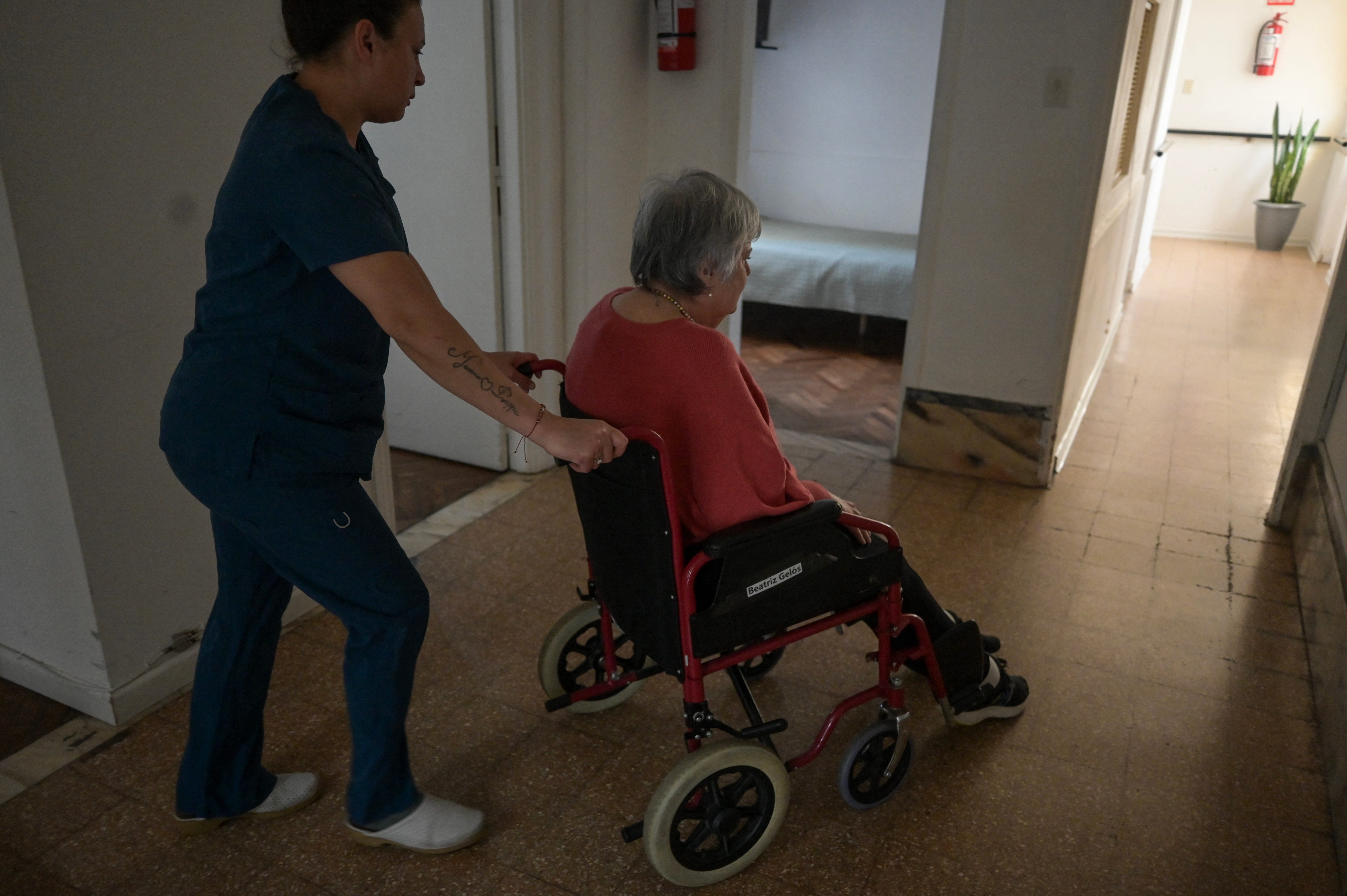
“What do hospitals do when they can’t rely on the availability of grownup children (usually tired, time-poor women, I’m sorry) to manage a parent’s aftercare following a procedure?” asks writer Sophie Grenham.
She continues: “I put this question to the nurse looking after my mother today, making it clear that I wasn’t being smart, and she said usually there is someone to help, whether it’s a family member or a friend.”
“What if you have no one at all? What if you have no family and your friends are busy or you alienated them all years ago - what then?”
Yes, what then? Being friendless and tribeless and old is a fairly fresh option. It would have meant certain and imminent death not so long ago.
But modernity has liberated us. We can do without the family. Respect for individual liberty demands it, in fact. No longer shall the father lord over his children and his wife. No longer shall the child saddle his parents with demands for food, shelter, love. Think of all the women free to take advantage of their peak earning years, unburdened by kids!
The only trouble is what to do with those peak earners when they slow down.