


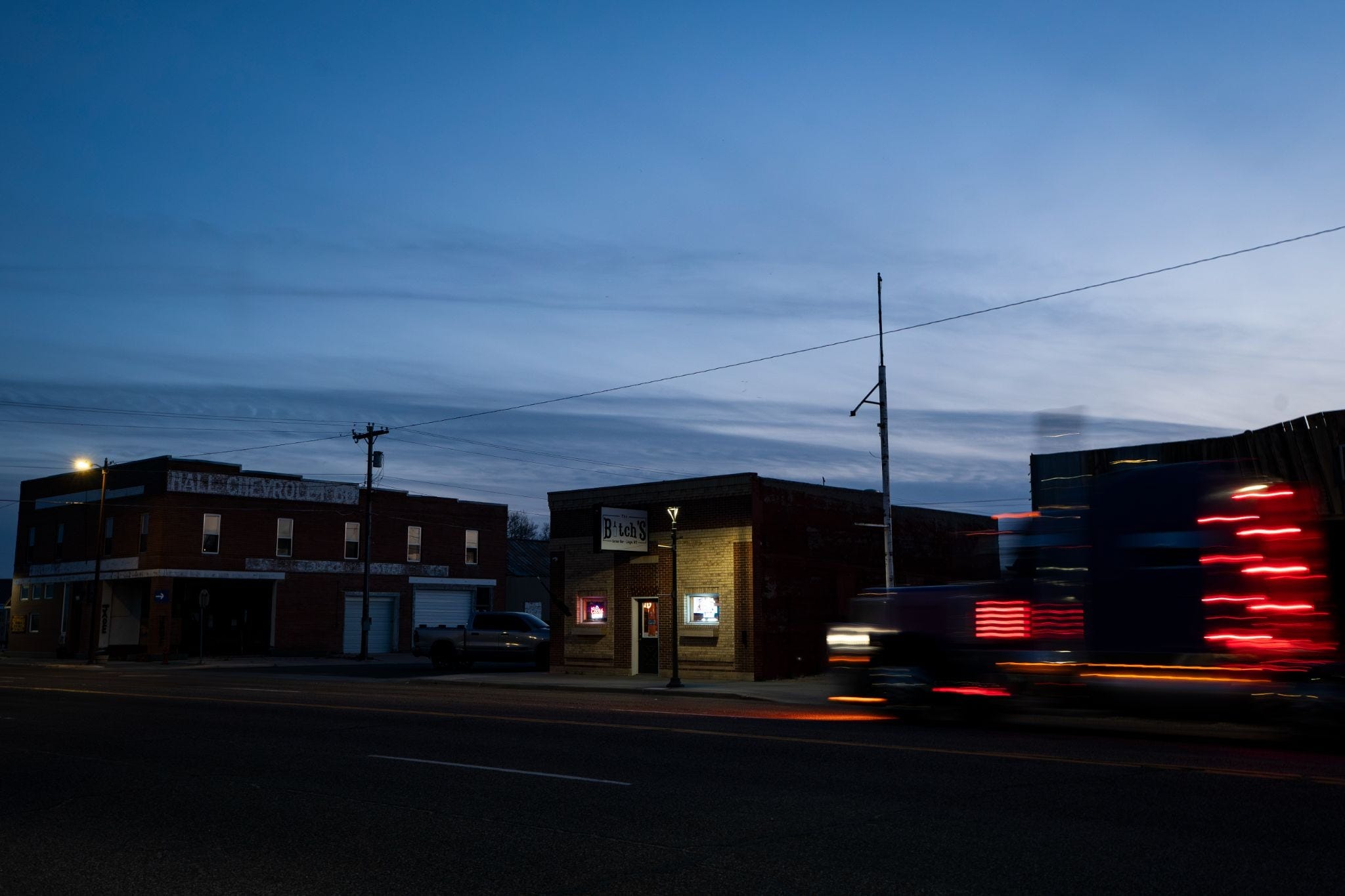
The stale smell of cheap beer and cigarette smoke. Classic rock music blaring on a jukebox. A neon sign hanging in the window. When you sit in the corner booth of an American dive bar, nursing a drink — alone and surrounded by strangers, or joined by loved ones— the quiet sense of camaraderie is unlike any other you can find in a public space. It radiates over everything, and you feel it whether you’re a regular or a tourist stopping in for a few minutes. The world could be ending outside as a nuclear warhead turns the ground into butter, but tucked away in the dive bar, you’re blissfully distracted by the latest piece of gossip and the happy hour specials.
Neighborhood dive bars were once a daily escape from the world when the middle class could afford to live and raise families in American cities. Workers would stop by their neighborhood bar for a drink or two before heading home to their wife and kids. On the weekends, locals gathered to watch the game. The classic 80s sitcom Cheers captured this romanticized idea of the dive bar being a quiet respite from the stormy chaos of one’s personal life. “Sometimes you wanna go / Where everybody knows your name / And they’re always glad you came / You wanna be where you can see / Our troubles are all the same / You wanna be where everybody knows your name,” the theme song goes.
Like so many 20th-century relics, an unpretentious corner bar with cheap beers, regulars who share your troubles and know your name, and no overpriced cocktail menu is getting harder and harder to find, especially in expensive, growing cities.