The year is 1776 …
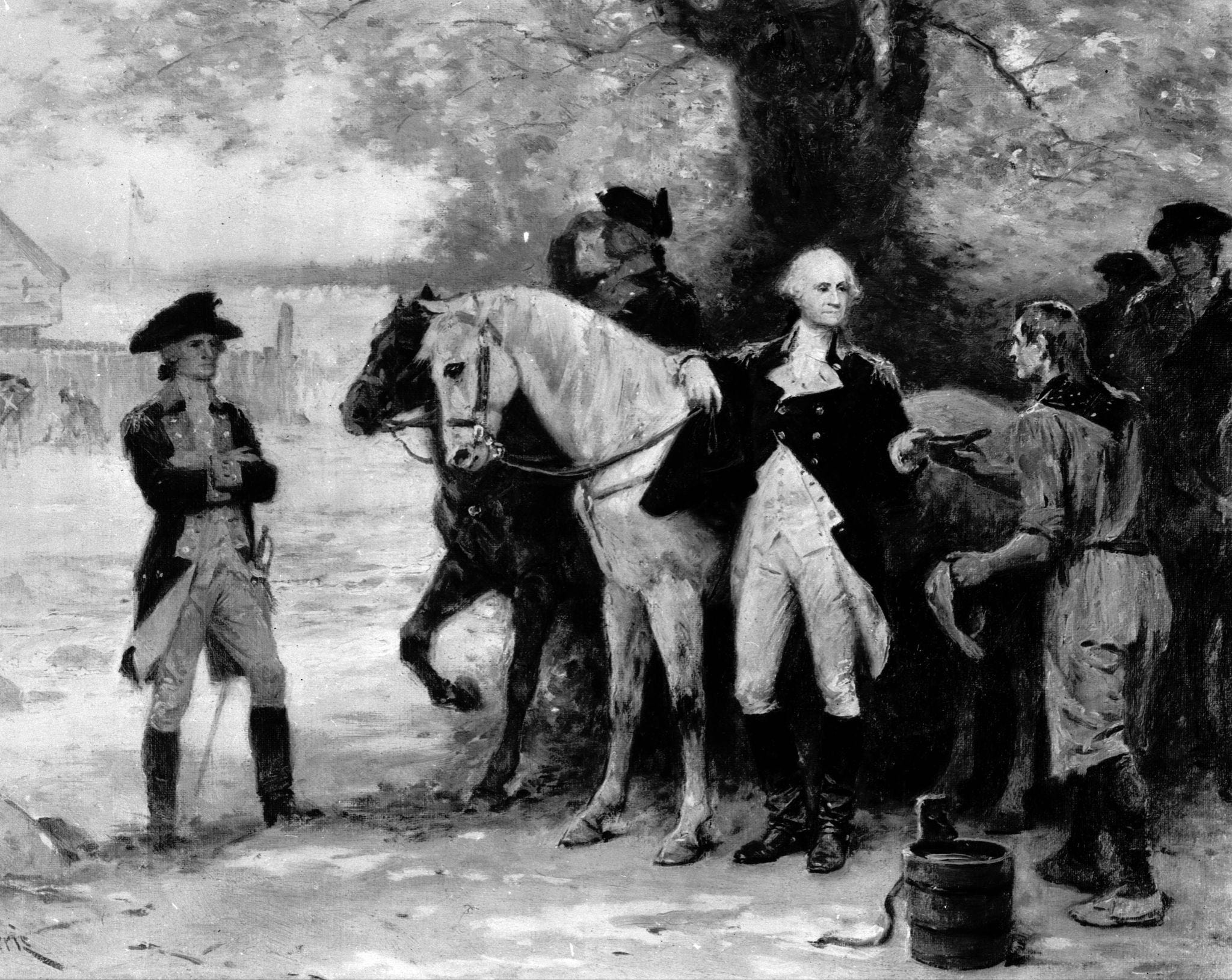
And the towering, imposing General George Washington stands before his troops at what is now known as City Hall Park in New York City. Washington and the Continental Army are awaiting the British invasion of New York. The city is a “Post of infinite importance,” according to Washington, who believed that the forthcoming Battle of Long Island could “determine the fate of America.” To galvanize his men — to serve them a “fresh incentive” to fight — Washington reads aloud the Declaration of Independence at 6 p.m. Onlookers gather to hear the future president boost the morale of his army with the rallying cry of the revolution.
From Washington’s General Orders, dated July 9, 1776:
The several brigades are to be drawn up this evening on their respective Parades, at Six OClock, when the declaration of Congress, shewing the grounds and reasons of this measure, is to be read with an audible voice. The General hopes this important Event will serve as a fresh incentive to every officer, and soldier, to act with Fidelity and Courage, as knowing that now the peace and safety of his Country depends (under God) solely on the success of our arms: And that he is now in the service of a State, possessed of sufficient power to reward his merit, and advance him to the highest Honors of a free Country.
Washington’s decision to read the Declaration of Independence before battle is a testament to his talent for leadership. Lesser men might have hidden themselves away, too high and mighty to interact with the grunt infantrymen, or would be too scared and timid to muster up the courage for an uplifting speech. Washington was a different kind of leader, courageous but wise, intimidating but emotionally intelligent enough to know that troop morale is crucial to winning wars. That he chose to read the Declaration, rather than delivering remarks he prepared himself, gives us a glimpse into his humility — a humility that would surface again when he ended his presidency after just two terms, setting a long-lasting and much-cherished precedent.
Washington and the Continental Army will go on to lose the Battle of Long Island, but thanks to fog, they will escape imprisonment by the British and live to fight another day for America’s independence.
Like what you’re reading? If so, please consider subscribing to State of the Day or sharing this with a friend. You’d be supporting this newsletter and helping keep independent journalism alive.
If you are already a paid subscriber, make sure to join the conversation in our subscribers-only chat below.


